Category: Beginner Golf

  • Best Golf Balls for Beginners 2026: Top 5 Picks by Experts

    Picking the right golf ball as a beginner can feel overwhelming — there are hundreds of options on the market. But here’s the truth: golf ball choice matters more than most beginners think. The wrong ball can cost you distance, feel, and greenside control. The right ball helps you swing with confidence, fly straighter, and spend less money replacing balls you’ve lost in the woods.

    We’ve done the research so you don’t have to. Here are the best golf balls for beginners in 2026.

    What Makes a Good Beginner Golf Ball?

    • Low compression: Slower swing speeds compress the ball better with a low-compression core, generating more distance.
    • Soft feel: More feedback on every shot — helps you learn what a good strike feels like.
    • Durability: Beginners lose more balls and hit more cart paths. You want something that holds up.
    • Straight flight: Reduced spin means the ball flies straighter, correcting hooks and slices.
    • Affordable: You will lose balls. A lot of them. Don’t play $50/dozen Pro V1s yet.

    Best Golf Balls for Beginners 2026 — Quick Picks

    BallCompressionPrice/DozenBest For
    Callaway Supersoft35 (Ultra-low)~$30Overall Best
    Titleist TruFeel60 (Low)~$30Best Feel
    Srixon Soft Feel60 (Low)~$25Best Distance
    Noodle34 (Ultra-low)~$20Best Budget
    Callaway Chrome Soft65 (Low-mid)~$45Best Premium Upgrade

    1. Callaway Supersoft — Best Overall Beginner Golf Ball
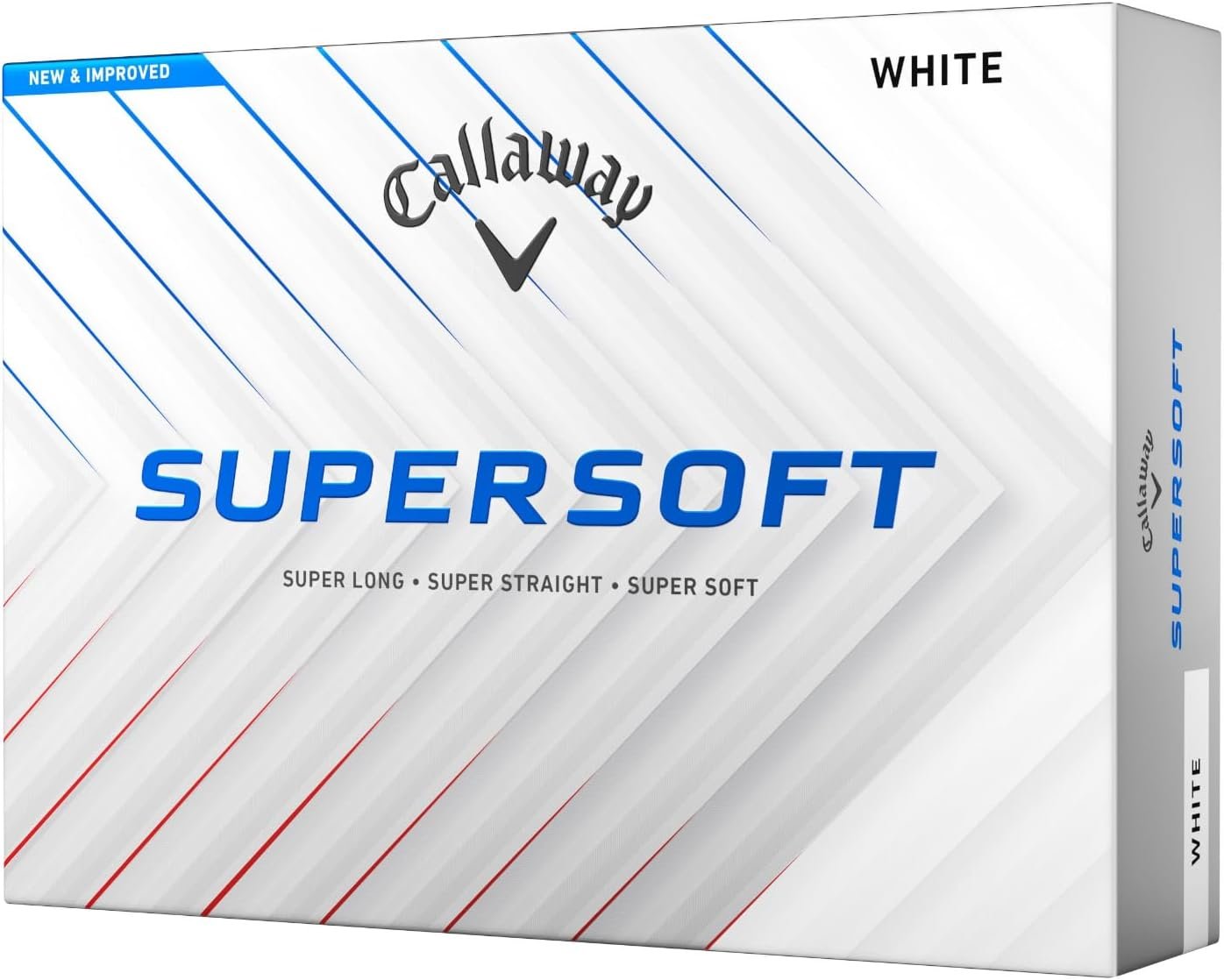
    Callaway Supersoft Golf Balls 2025

    The Callaway Supersoft has been the #1 best-selling golf ball in the US for years — and for good reason. With an ultra-low 35 compression rating, it’s one of the softest balls on the market. Slower swing speeds (under 90 mph) will get maximum distance from this ball, and its HEX Aerodynamics pattern reduces drag and promotes a penetrating, straight ball flight.

    Key Features

    • Ultra-low 35 compression — perfect for swing speeds under 90 mph
    • Hybrid cover provides extra greenside touch and feel
    • HEX Aerodynamics pattern for reduced drag and straighter flight
    • Trionomer cover material offers exceptional durability
    • 2025 updated formula — improved everything from the already-excellent prior version

    Who it’s for: Any beginner, full stop. The Supersoft is forgiving on mishits, long off the tee, and soft around the greens. It’s the all-around package at a price that won’t hurt when you find the water hazard.

    👉 Check Price on Amazon →

    2. Titleist TruFeel — Best Feel for Beginners
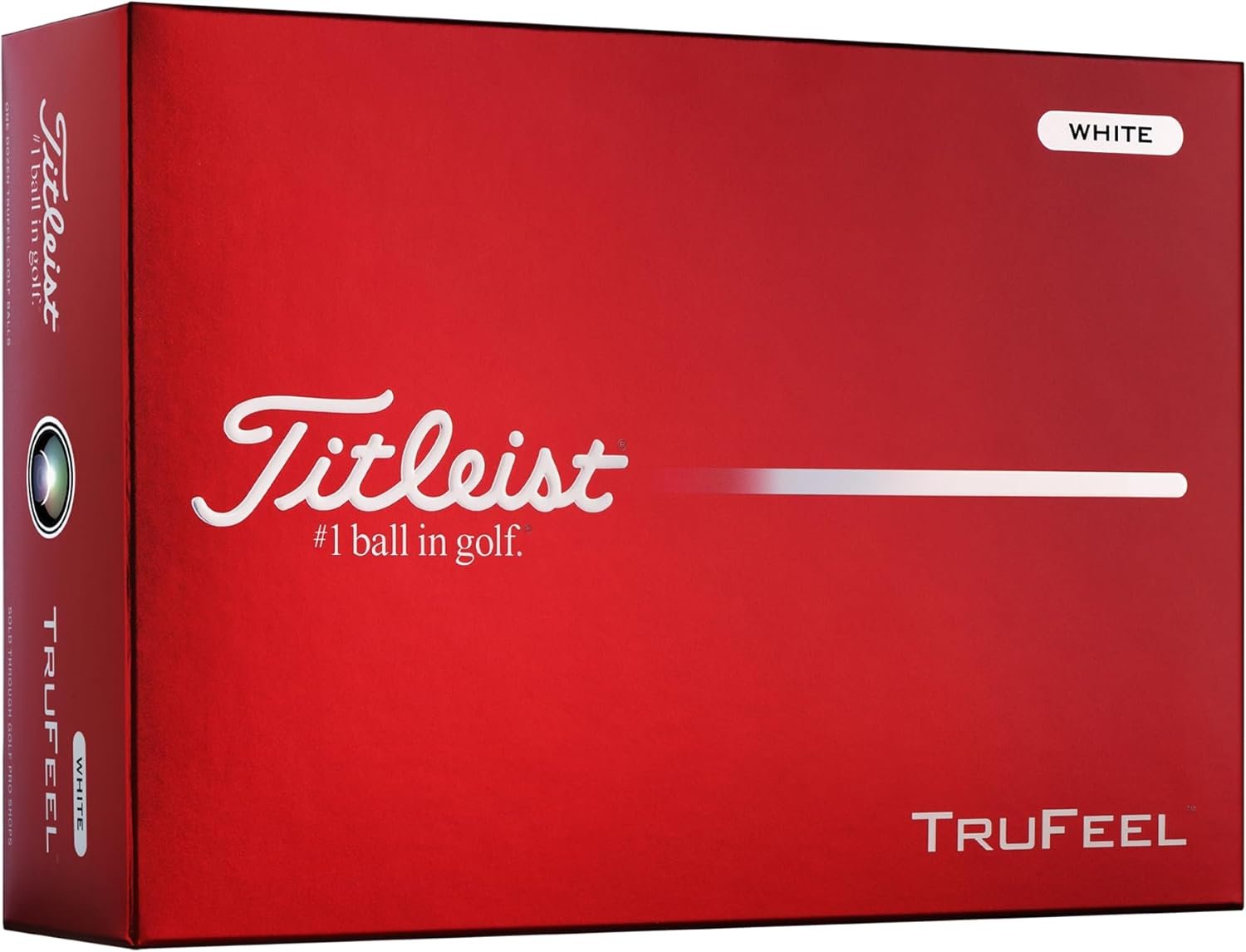
    Titleist TruFeel Golf Balls

    Titleist makes the world’s most popular golf ball (the Pro V1), and the TruFeel brings that same legendary quality to an affordable, beginner-friendly package. It’s Titleist’s softest ball, with a low 60 compression and a TruFlex cover that delivers exceptional feel across all shots — from full driver swings to delicate chips around the green.

    Key Features

    • Low 60 compression for soft feel and easy compression
    • TruFlex cover for consistent feel from tee to green
    • Spherically-tiled 376 tetrahedral dimple design for consistent flight
    • Great short game control for developing greenside feel
    • Titleist quality control — every ball is consistent

    Who it’s for: Beginners who want to develop greenside feel and learn what a quality ball feels like. The TruFeel is soft without being mushy, and teaches you to appreciate feel — a skill that pays off as you improve.

    👉 Check Price on Amazon →

    3. Srixon Soft Feel — Best Distance for Beginners
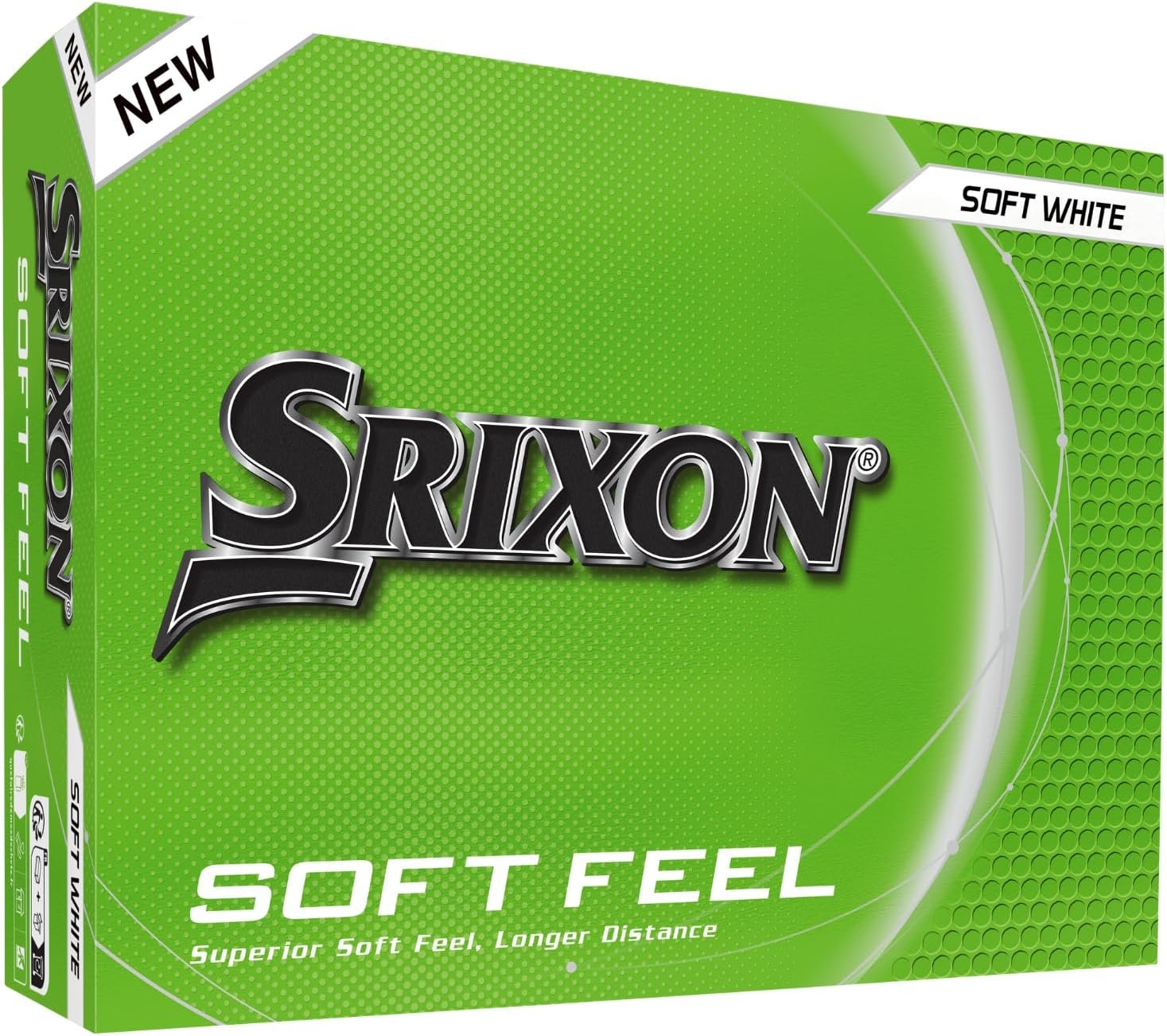
    Srixon Soft Feel Golf Balls

    The Srixon Soft Feel is a criminally underrated beginner ball. While Callaway and Titleist dominate the marketing conversation, Srixon quietly produces one of the best low-compression balls on the market. The 13th generation Soft Feel packs in tour-level technology at a price point that makes sense for golfers still working on their game.

    Key Features

    • 338 Speed Dimple Pattern for maximum distance and consistent flight
    • FastLayer Core transitions from soft center to firm outer edge for distance
    • Thin ionomer cover for durability and feel
    • Low 60 compression — designed for slower swing speeds
    • Exceptional value — tour-adjacent quality at beginner prices

    Who it’s for: Beginners focused on maximizing distance. The Srixon Soft Feel’s FastLayer Core technology gives a little extra pop without sacrificing the soft feel you need as a developing player.

    👉 Check Price on Amazon →

    4. Noodle Long & Soft — Best Budget Beginner Golf Ball
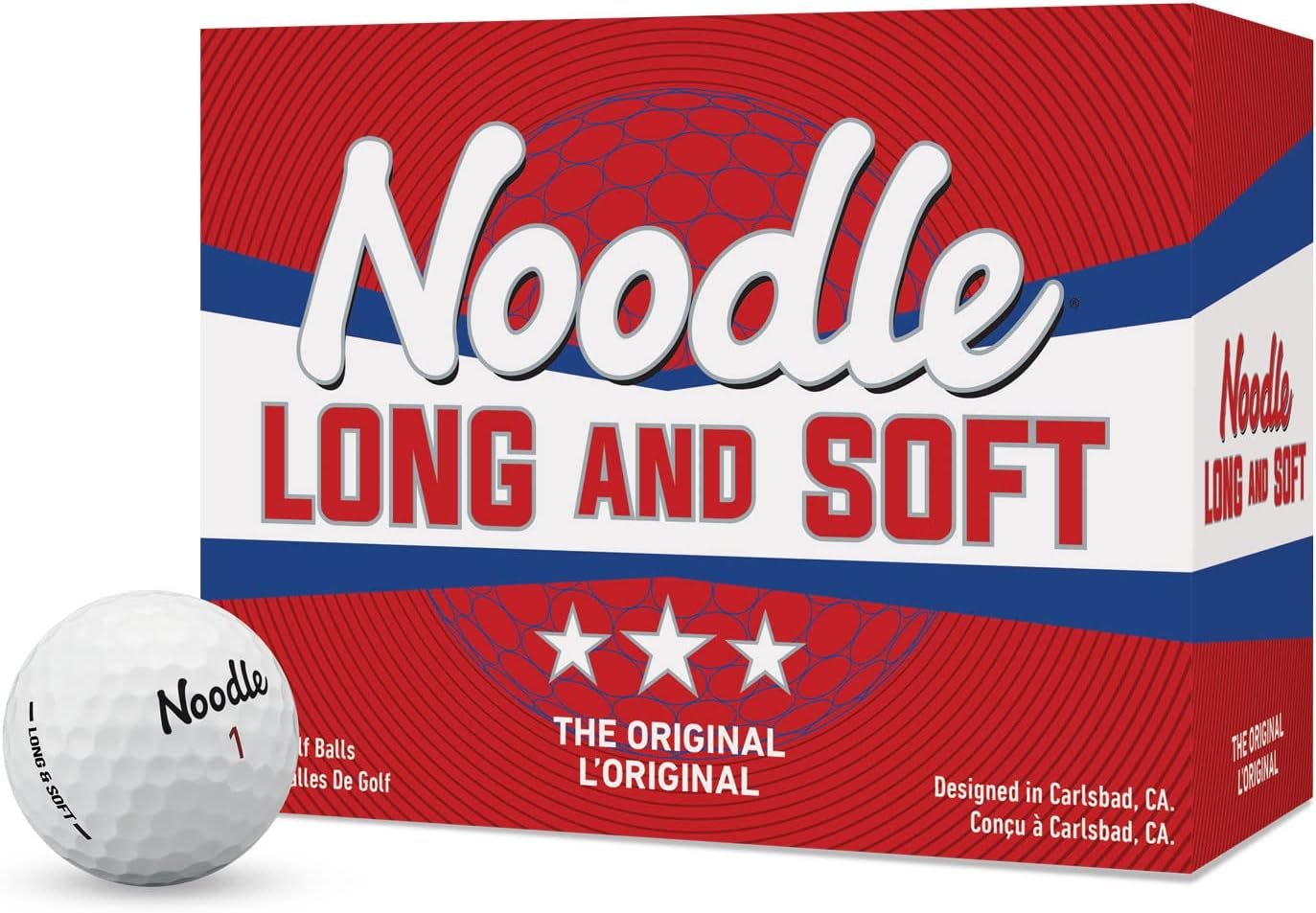
    Noodle Long and Soft Golf Balls

    Look, you’re a beginner. You will lose golf balls. A lot of them. The Noodle Long & Soft exists precisely for this stage of your game. With an ultra-low 34 compression rating and a price tag that makes losing them painless, the Noodle lets you swing freely without stressing about every ball that finds the rough, the pond, or your neighbor’s yard.

    Key Features

    • Ultra-low 34 compression — as soft as it gets
    • Iothane cover for excellent durability and soft feel
    • Low driver spin for a straighter, longer ball flight
    • Comes in value packs — stock up and don’t worry
    • One of the best-selling budget golf balls for over two decades

    Who it’s for: New golfers who know they’ll lose plenty of balls and want to minimize the financial sting while still playing something that performs. Buy a two-dozen pack and just enjoy the game.

    👉 Check Price on Amazon →

    5. Callaway Chrome Soft — Best Premium Upgrade for Improving Beginners
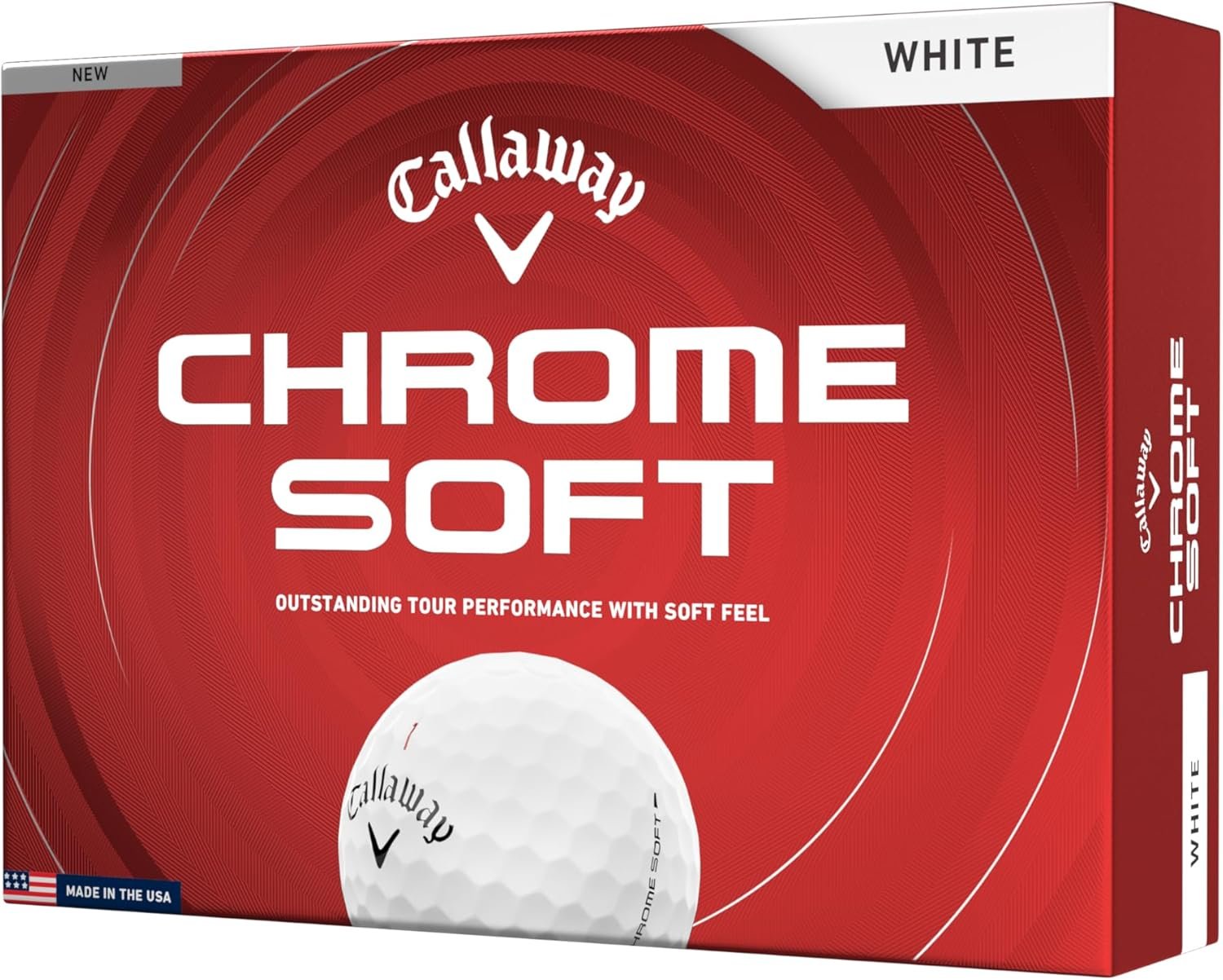
    Callaway Chrome Soft Golf Balls 2026

    Once you’ve been playing for 6–12 months and your handicap is dropping, it’s time to consider stepping up to the Callaway Chrome Soft. This is a tour-caliber ball used by PGA Tour professionals, but its soft feel and low compression make it accessible to improving amateurs. It bridges the gap between beginner and player balls perfectly.

    Key Features

    • Ultra-low 65 compression — still very accessible for moderate swing speeds
    • Graphene-infused Dual SoftFast Core for distance and spin separation
    • 4-piece construction for precise control on all shots
    • Urethane cover for professional-grade greenside spin
    • Used by top professionals on the PGA Tour

    Who it’s for: Beginners who have been playing 6+ months, are breaking 100 consistently, and want to start experiencing what a premium ball feels like. The Chrome Soft is a significant step up in greenside control.

    👉 Check Price on Amazon →

    Golf Ball Buying Guide for Beginners

    Understanding Compression

    Compression is the most important factor for beginners. It describes how much the ball compresses against the clubface at impact.

    • Low compression (under 70): Easier to compress with slower swing speeds, giving more distance. Soft feel. Best for beginners.
    • Mid compression (70–90): Suits mid-handicappers with moderate swing speeds.
    • High compression (90+): Designed for fast swing speeds (95+ mph). Not ideal for most beginners.

    Rule of thumb: If your driver swing speed is under 90 mph, stick to low-compression balls. They’ll give you more distance and feel better on contact.

    1-Piece vs. 2-Piece vs. Multi-Layer Balls

    • 1-piece: Found on driving ranges. Not for actual play.
    • 2-piece: Most beginner balls. Simple core + cover construction. Maximum distance, durable, affordable. This is what you want.
    • 3 or 4-piece: Multi-layer construction offers spin separation (distance on long shots, spin on short shots). Best for lower handicappers.

    As a beginner, a quality 2-piece ball like the Callaway Supersoft or Srixon Soft Feel hits the sweet spot perfectly.

    Should Beginners Buy Used Golf Balls?

    Yes — with caveats. Grade A or mint condition used balls from reputable sellers are a great value. Avoid “lake balls” or heavily scuffed balls — water infiltration can change compression and performance unpredictably. Sites like GlobalGolf and LostGolfBalls.com sell quality used balls at a significant discount.

    What About Color Golf Balls?

    Colored balls (yellow, orange, green) are purely a personal preference. Many beginners find yellow balls easier to spot in rough and against cloudy skies. Performance is identical to white balls of the same model.

    Final Thoughts

    Don’t overthink golf balls as a beginner. The Callaway Supersoft is your best all-around pick — it’s low compression, long, soft, durable, and affordable. If budget is the priority, grab a couple dozen Noodles and just play.

    As your game improves and you start breaking 90, revisit this list and consider stepping up to the Callaway Chrome Soft for better greenside control. Until then, the most important thing is getting out there and playing. ⛳

    Frequently Asked Questions

    What is the best golf ball for a beginner?

    The Callaway Supersoft is the best overall beginner golf ball. Its ultra-low 35 compression, straight flight, and soft feel make it ideal for developing golfers with slower swing speeds.

    Should beginners use soft or hard golf balls?

    Soft, low-compression balls are almost always better for beginners. They compress more easily at slower swing speeds, generating more distance, and they provide better feedback on every shot.

    How many golf balls should a beginner buy?

    Buy at least two dozen to start. Beginners average 3–5 lost balls per round in the early stages. Having enough supply means you focus on the game, not on running out of balls.

    Are expensive golf balls worth it for beginners?

    No. Premium balls like the Pro V1 are engineered for golfers with fast swing speeds and consistent ball-striking. As a beginner, you won’t unlock their benefits — and you’ll lose them at the same rate as cheaper balls. Stick to the options on this list until you’re consistently breaking 90.
  • Best Golf Putters for Beginners 2026: Our Top 5 Picks

    Putting accounts for roughly 40% of your strokes on the golf course. As a beginner, choosing a forgiving, easy-to-align putter can shave strokes off your score faster than any other club upgrade. We tested and researched the top options to bring you this definitive list of the best golf putters for beginners in 2026.

    What to Look for in a Beginner Putter

    • Mallet vs. Blade: Mallets offer more forgiveness on off-center strikes — ideal for inconsistent beginner strokes.
    • Alignment Aids: Visual lines and dots help you square the face at address.
    • Soft Insert Feel: Urethane or polymer inserts give better feedback and more consistent distance control.
    • High MOI: Moment of Inertia — the higher the number, the less the putter twists on mishits.
    • Length: Standard is 34–35 inches. Most beginners do well in this range.

    Best Golf Putters for Beginners 2026 — Quick Picks

    PutterStylePriceBest For
    Odyssey AI-One RossieBlade/Mallet Hybrid~$245Overall Best
    Cleveland HB Soft 2 #10.5Mallet~$160Best Budget
    TaylorMade Spider XMallet~$200Most Forgiving
    Wilson Infinite PutterMallet~$80Best Value
    Odyssey White Hot OG RossieBlade~$165Best Feel

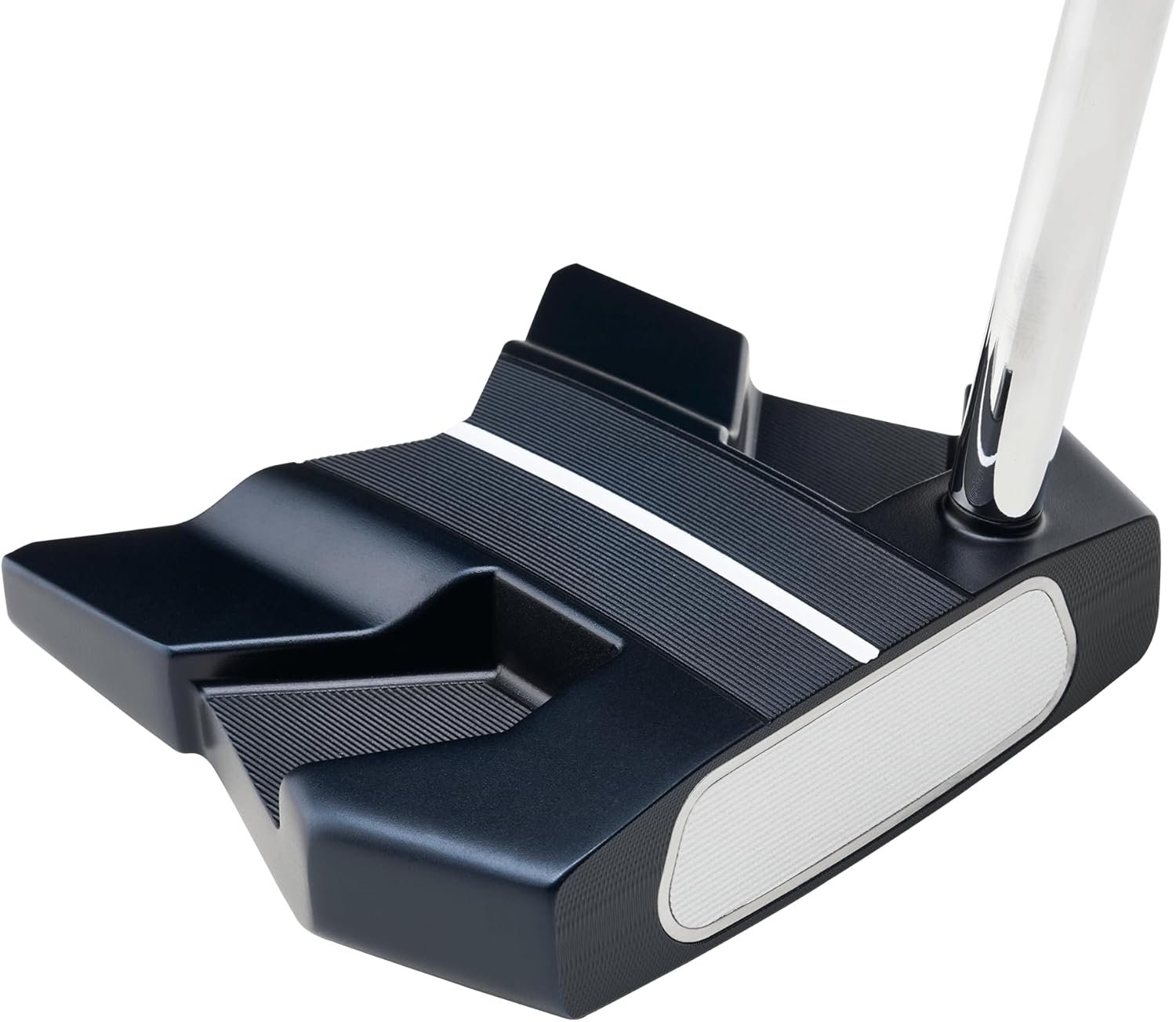
    1. Odyssey AI-One Rossie — Best Overall Beginner Putter

    Odyssey AI-One Rossie Putter

    The Odyssey AI-One Rossie is our top pick for beginners in 2026, and it’s not close. Odyssey’s revolutionary AI-One insert uses artificial intelligence to optimize the face pattern — resulting in more consistent ball speed across the entire face. Mishits stay closer to your target, which is exactly what you need when you’re still developing your stroke.

    Key Features

    • AI-designed insert minimizes distance loss on off-center hits
    • Versa alignment system with high-contrast visuals
    • Rossie shape works for both arc and straight-through strokes
    • Adjustable weighting for custom feel
    • Amazon’s Choice with 4.6 stars from 110+ reviews

    Who it’s for: Beginners who want to invest in a putter they won’t outgrow. The AI-One technology is used by PGA Tour professionals — you’re getting real performance, not a “beginner” compromise.

    👉 Check Price on Amazon →

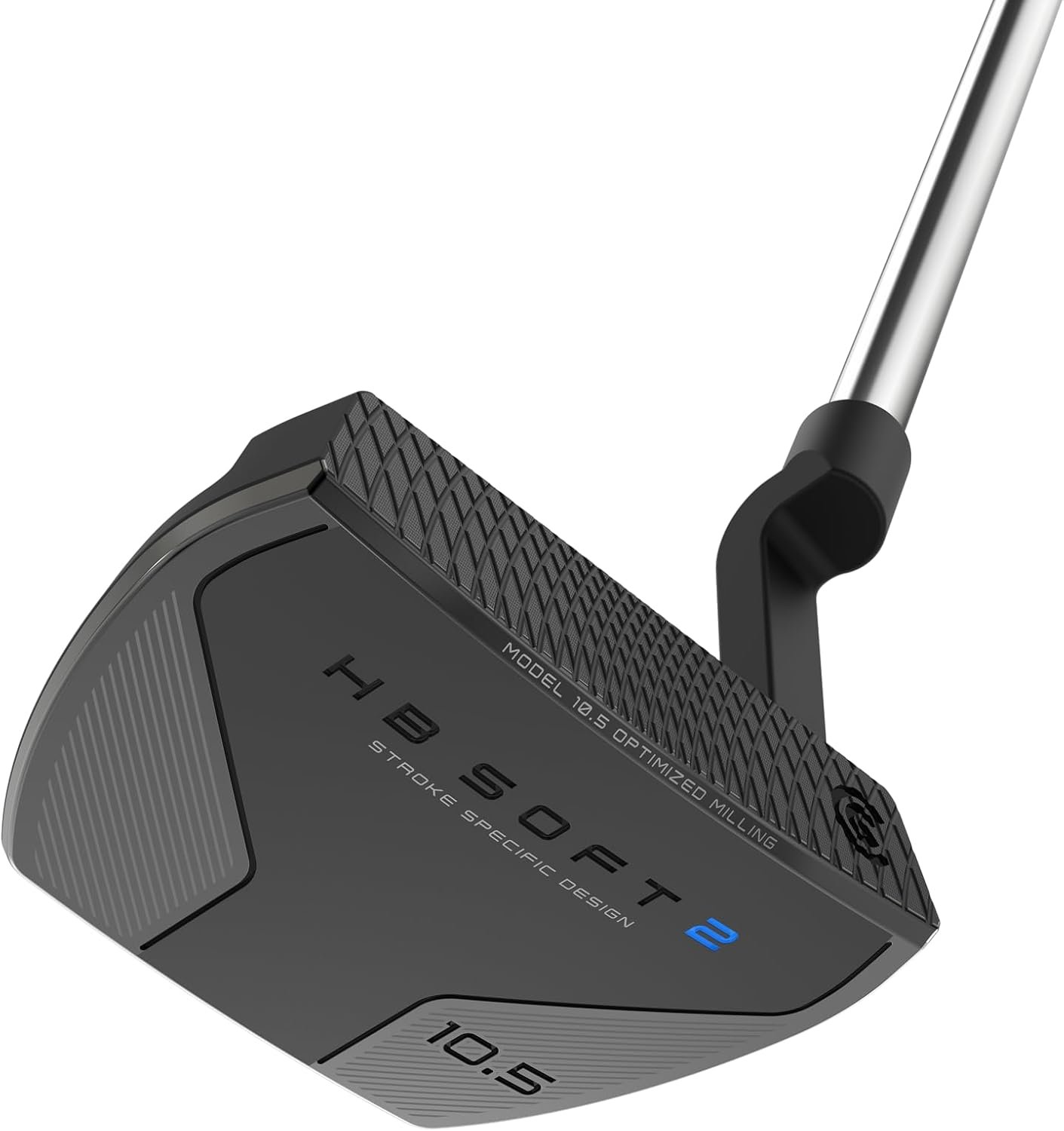
    2. Cleveland HB Soft 2 #10.5 — Best Budget Beginner Putter

    Cleveland HB Soft 2 Putter Model 10.5

    If you want a high-quality mallet putter without breaking the bank, the Cleveland HB Soft 2 #10.5 delivers tour-inspired performance at an accessible price point. Cleveland has been making excellent putters for decades, and the HB Soft 2 continues that tradition.

    Key Features

    • Speed Optimized Face Technology for consistent distance
    • Full mallet design with high MOI for maximum forgiveness
    • Soft polymer insert provides excellent feel and feedback
    • Plumber’s neck hosel suits a slight arc stroke
    • Available in 33–35 inch lengths

    Who it’s for: Budget-conscious beginners who want a genuinely good putter without overspending. This is a workhorse that punches well above its price.

    👉 Check Price on Amazon →

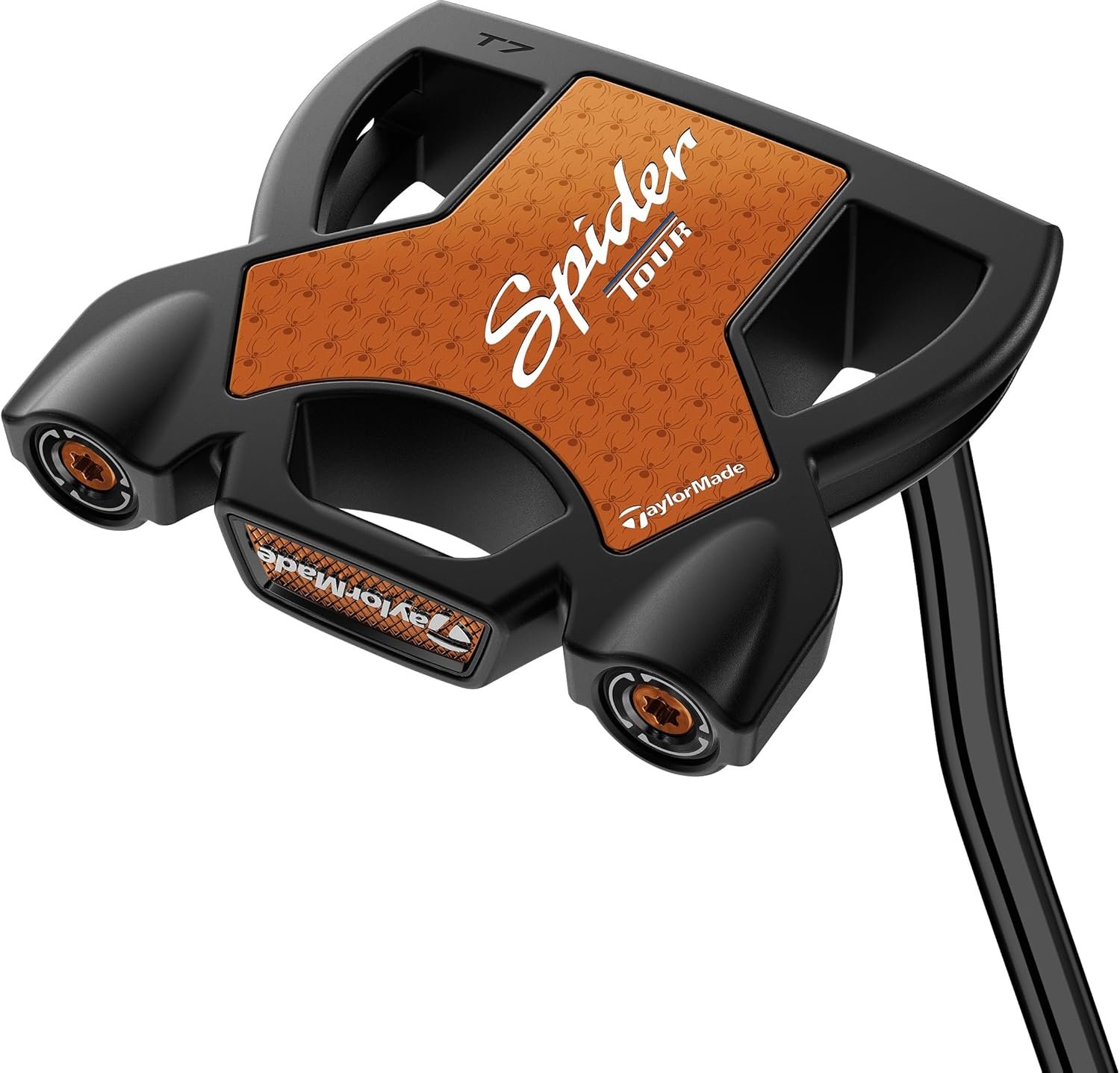
    3. TaylorMade Spider X — Most Forgiving Beginner Putter

    TaylorMade Spider X Putter

    The TaylorMade Spider X is one of the most forgiving putters ever made. Used by Rory McIlroy and other PGA Tour stars, the Spider’s perimeter weighting and high-MOI design make it incredibly stable — even on off-center strikes. Beginners will appreciate how it keeps the putter face square through impact.

    Key Features

    • Extremely high MOI for stability on mishits
    • Pure Roll insert with 45° grooves for superior topspin
    • True Path Alignment System for easy setup
    • Steel wireframe construction controls center of gravity
    • Proven PGA Tour design at a beginner-friendly price

    Who it’s for: Beginners who struggle with off-center hits and want maximum forgiveness. The Spider will bail you out of more mishits than any other putter on this list.

    👉 Check Price on Amazon →

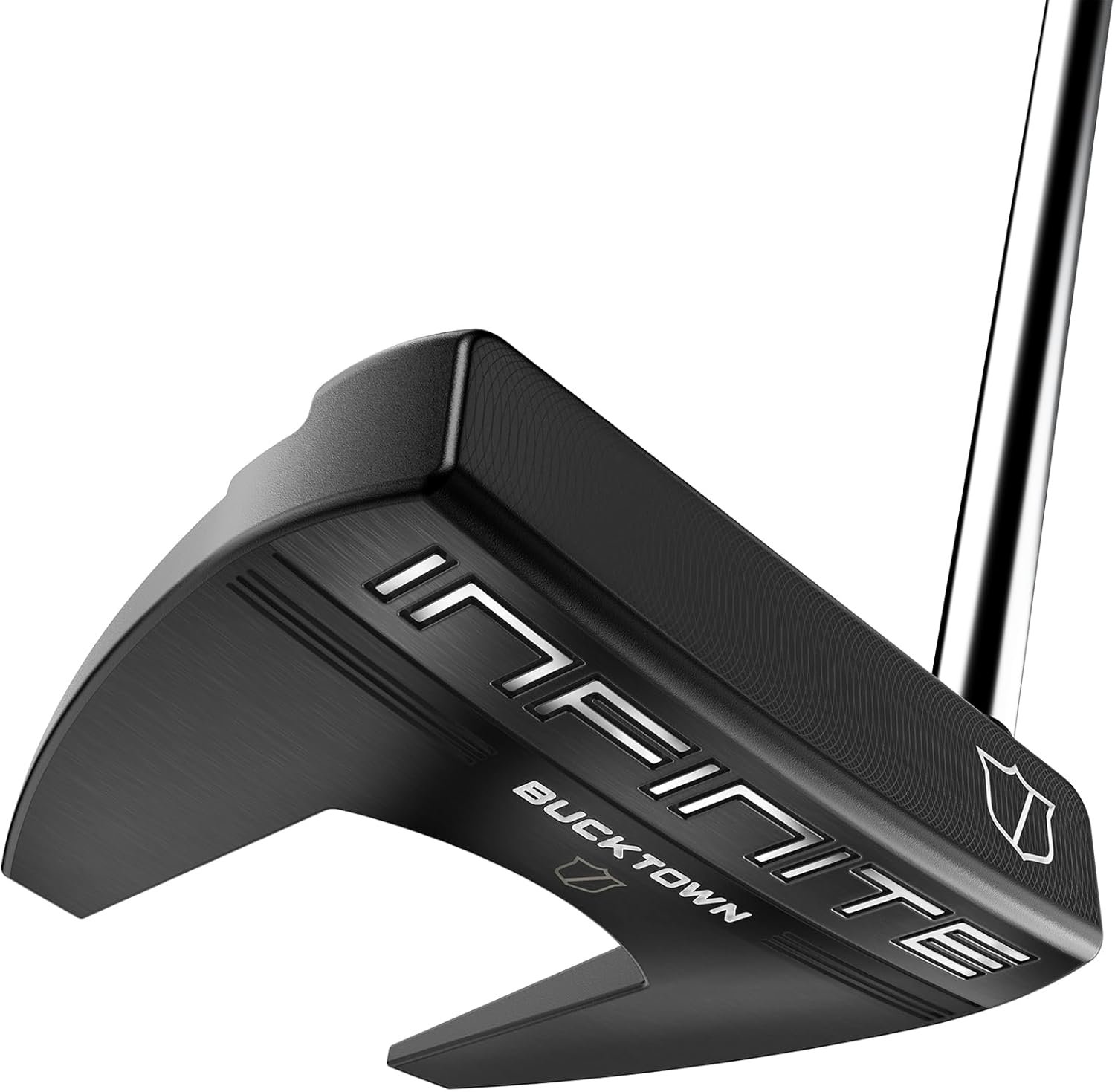
    4. Wilson Infinite Putter — Best Value Under $100

    Wilson Infinite Bucktown Putter

    The Wilson Infinite series punches way above its weight class. Don’t let the budget price fool you — Wilson’s Infinite putters have received serious praise from instructors and golfers alike for their consistent performance and forgiving design. For beginners who are still figuring out whether they’ll stick with golf, this is a smart buy.

    Key Features

    • Infinity Edge design maximizes perimeter weighting
    • Firm, consistent feel across the face
    • Strong alignment aids for easy setup
    • Great mid-range distance control
    • Exceptional value — performance well above the price

    Who it’s for: New golfers who want a reliable putter without committing to a premium price. If you fall in love with golf, you can upgrade. If not, you haven’t wasted money.

    👉 Check Price on Amazon →

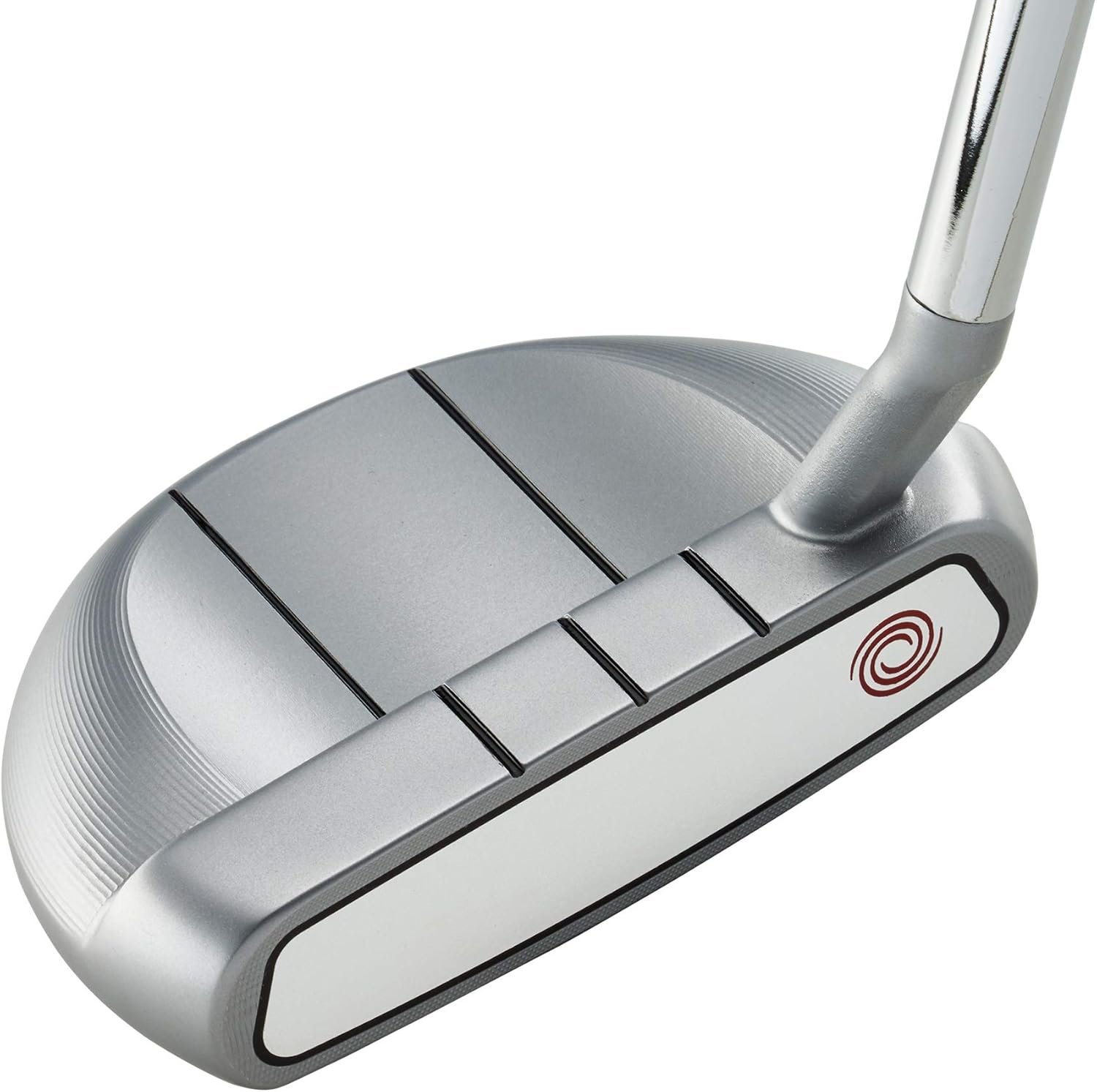
    5. Odyssey White Hot OG Rossie — Best Feel for Beginners

    Odyssey White Hot OG Rossie Putter

    The Odyssey White Hot OG is a modern reissue of one of the most beloved putters in golf history. The White Hot insert has an almost cult-like following — it delivers an unmistakable soft, buttery feel at impact that gives you instant feedback on whether you’ve struck the ball well. This is the putter that teaches you to putt.

    Key Features

    • Legendary White Hot urethane insert — industry-standard feel
    • Classic Rossie shape suits most stroke types
    • Slant neck hosel for easy alignment
    • Great feedback on both good and bad strikes
    • Currently on sale — significant discount off retail

    Who it’s for: Beginners who want to develop feel and intuition on the greens. The White Hot insert’s feedback is unmatched at this price — you’ll know when you’ve made a good stroke.

    👉 Check Price on Amazon →

    How to Choose the Right Beginner Putter

    Mallet vs. Blade: Which Is Better for Beginners?

    For most beginners, mallets are the better choice. Here’s why:

    • Mallets have larger heads and more weight distributed around the perimeter, which increases forgiveness on mishits. They also tend to have better alignment aids.
    • Blades are more traditional and offer better feedback, but are less forgiving. They’re better for golfers who have developed a consistent stroke.

    Our recommendation: Start with a mallet. As your stroke improves and becomes more consistent, you can experiment with blades if you prefer the feel.

    What Length Putter Do I Need?

    Most adult golfers use a 33–35 inch putter. A simple guideline: stand in your natural putting posture with arms hanging down. Your hands should be just above your knees. Here’s a quick reference:

    • Under 5’5″: 32–33 inch putter
    • 5’5″ – 5’9″: 33–34 inch putter
    • 5’9″ – 6’1″: 34–35 inch putter
    • Over 6’1″: 35+ inch putter

    Should I Get a Face-Balanced or Toe-Hang Putter?

    This depends on your putting stroke:

    • Face-balanced putters (the face points up when balanced) suit a straight-back, straight-through stroke. Most beginner mallets are face-balanced.
    • Toe-hang putters (the toe drops when balanced) suit an arc stroke where the face opens and closes through impact.

    As a beginner, don’t overthink this. A face-balanced mallet is a safe choice for developing your stroke.

    Final Thoughts

    The Odyssey AI-One Rossie is our top pick for most beginners — it’s got tour-level technology, excellent forgiveness, and strong reviews. If budget is a concern, the Cleveland HB Soft 2 is an outstanding value. And if you just want maximum forgiveness at all costs, the TaylorMade Spider X won’t let you down.

    Whatever you choose, practice your stroke regularly and focus on speed control. A consistent putting stroke with any of these putters will save you more strokes than any other part of your game. Now get out there and drain some putts! 🏌️⛳

    Frequently Asked Questions

    What is the best putter for a beginner golfer?

    The Odyssey AI-One Rossie is our top recommendation. It combines AI-optimized forgiveness with strong alignment aids and excellent feel — perfect for beginners building their putting stroke.

    Should beginners use a blade or mallet putter?

    Mallets are generally better for beginners due to their higher forgiveness, better alignment aids, and more stability on off-center hits.

    How much should a beginner spend on a putter?

    You don’t need to spend a fortune. Budget $80–$200 for a quality beginner putter. The Wilson Infinite (~$80) and Cleveland HB Soft 2 (~$160) are both excellent options. If you want to invest in something you’ll keep long-term, the Odyssey AI-One (~$245) is worth every penny.